
How to Plan a Relocation Timeline: Staying on Track
By MITR Global Team
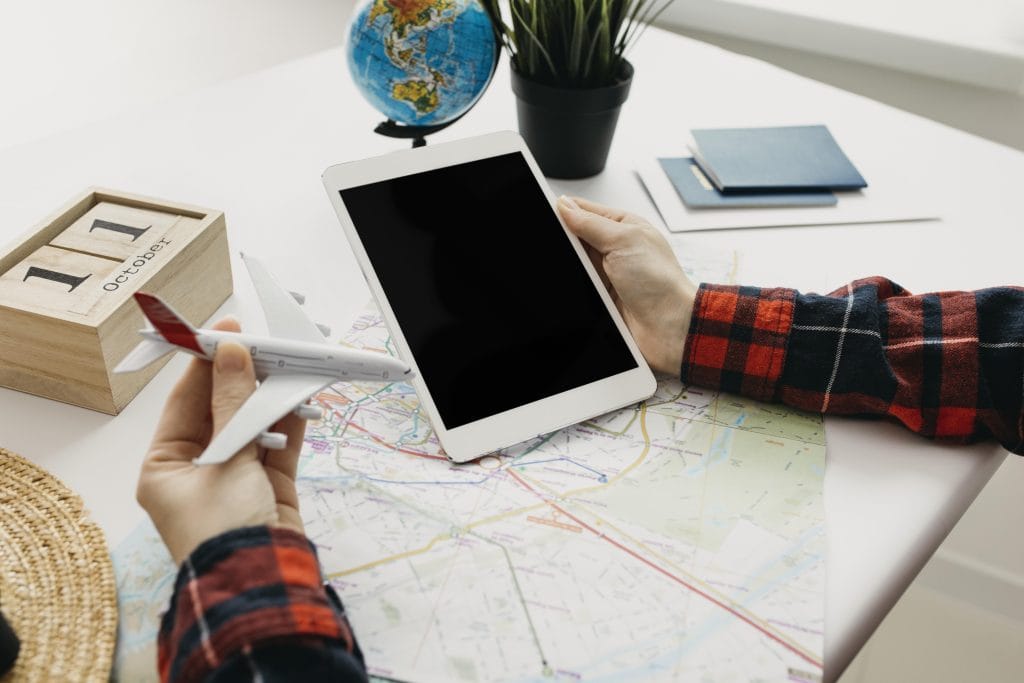
Relocating to a new city or country can be an exciting yet overwhelming process.
Without a well-structured timeline, one may find yourself dealing with last-minute chaos, unnecessary stress, and unexpected expenses.
A well-planned relocation schedule helps you stay on track, ensuring a smooth transition while keeping everything organized.
In this blog, we will guide you through the essential steps of creating a detailed relocation timeline to help you manage your move efficiently and without unnecessary delays, from an MITR perspective:
- Why a Relocation Timeline is Important:
A structured relocation timeline is crucial for:
- Reducing stress by breaking tasks into manageable steps.
- Avoiding last-minute issues such as forgotten paperwork or delayed moving services.
- Ensuring a seamless transition for you and your family.
- Keeping relocation costs under control by planning ahead.
- Step-by-Step Guide to Planning Your Relocation Timeline:
2–3 Months Before Moving Day: Planning and Preparation:
- Set a Moving Date:
- Choose a date that allows enough time for preparation.
- If possible, avoid peak moving seasons to get better rates and availability.
- Research Your New Location:
- Learn about neighbourhoods, housing options, schools, and local amenities.
- Check the cost of living and transportation options.
- Budget for Your Move:
- Create a relocation budget, factoring in moving costs, travel expenses, temporary housing, and deposits.
- Compare quotes from moving companies, packers, and rental agencies.
- Notify Your Employer & Secure Housing:
- If relocating for work, discuss moving assistance or relocation benefits.
- If renting, inform your landlord and start searching for a new home.
- Organize Important Documents:
- Gather passports, visas, medical records, financial statements, and rental agreements.
- Make digital copies for easy access.
6–8 Weeks Before Moving Day: Start Packing & Arranging Logistics:
- Hire Professional Movers or Plan a DIY Move:
- Compare professional moving services or arrange rental trucks if moving independently.
- Confirm moving insurance to protect your belongings.
- Declutter and Downsize:
- Sort through your belongings and decide what to keep, sell, donate, or discard.
- Organize a garage sale or donate items to charity.
- Start Packing Non-Essentials:
- Pack seasonal clothing, decorations, books, and other items you won’t need before the move.
- Label boxes clearly for easy unpacking.
- Arrange for Travel & Temporary Accommodation:
- If relocating long-distance, book flights, hotels, or temporary housing.
- Research pet-friendly travel options if moving with pets.
4–6 Weeks Before Moving Day: Address Utilities & Services:
- Transfer or Cancel Utilities:
- Notify service providers (electricity, water, internet, subscriptions) about your move.
- Schedule shut-off and transfer dates for essential utilities.
- Change Your Address:
- Update your address with banks, insurance companies, employers, and subscriptions.
- Set up mail forwarding through your local postal service.
- Notify Schools & Medical Providers:
- If moving with children, arrange school transfers and collect academic records.
- Obtain medical records and prescriptions from your current healthcare provider.
2–3 Weeks Before Moving Day: Final Arrangements:
- Pack Essentials & Finalize Moving Details:
- Pack essential documents, daily necessities, and a moving-day kit.
- Confirm moving company details and double-check logistics.
- Say Goodbye to Friends & Neighbours:
- Plan farewell gatherings or informal meetups.
- Exchange contact information to stay connected.
Moving Week: The Final Countdown:
- Confirm All Details:
- Reconfirm travel plans, moving truck arrival times, and accommodation bookings.
- Conduct a final walkthrough of your old home.
- Clean & Inspect Your Current Home:
- Clean the space and take photos for rental deposits or selling purposes.
- Ensure all keys are handed over to the new tenants or landlord.
- Stay Calm & Organized on Moving Day:
- Keep important documents, valuables, and essentials within reach.
- Do a final check to ensure nothing is left behind.
- Tips to Stay on Track During the Relocation Process:
- Use a Moving Checklist – Keep track of each task to avoid missing important steps.
- Stay Flexible – Unexpected delays may happen, so allow some flexibility in your schedule.
- Seek Professional Help When Needed – If overwhelmed, consider hiring relocation consultants.
- Stay Positive – Moving is a big change, but keeping an optimistic mindset makes the transition easier.
Conclusion:
A well-planned relocation timeline ensures a smooth and stress-free move.
By breaking down tasks and setting realistic deadlines, you can manage the process efficiently without feeling overwhelmed.
Whether relocating for work, personal reasons, or a new adventure, staying organized helps you transition seamlessly into your new home.
By following this step-by-step approach, one can enjoy the excitement of a fresh start while minimizing stress and disruptions.
Planning ahead is the key to a successful and hassle-free move.
Please call us on +91 93812 67113 or write to us at vj@ensoft.com.sg and we will be happy to assist you.
Alternatively, please fill-in the form: https://mitrco.com/get-free-assessment
Please visit our website: https://mitrco.com/ to check through the range of services we offer to suit your relocation needs.
Related articles

Cultural Integration in Global Mobility: Why It Matters
Global Mobility plays a crucial role in business expansion and employee development. Organizations frequently relocate employees across borders to meet operational needs, foster global collaboration, and tap into international markets. However, relocating employees involves more than just logistical

The Financial Aspects of Relocation: Budgeting for Your Move
Relocating to a new city or country is an exciting opportunity, but it also comes with significant financial considerations. Without careful planning, moving expenses can quickly add up, leading to unexpected financial stress. Whether you’re moving for work, family, or personal reasons, having a cle

The Benefits of Solo Travel: Discovering Yourself on the Road
Traveling alone is more than just an adventure—it’s an opportunity for profound personal growth and self-discovery. While group travel has its advantages, solo travel allows you to step out of your comfort zone, embrace independence, and gain a deeper understanding of yourself and the world around y