
How to Relocate with Pets: Ensuring a Safe and Comfortable Move
By MITR Global Team
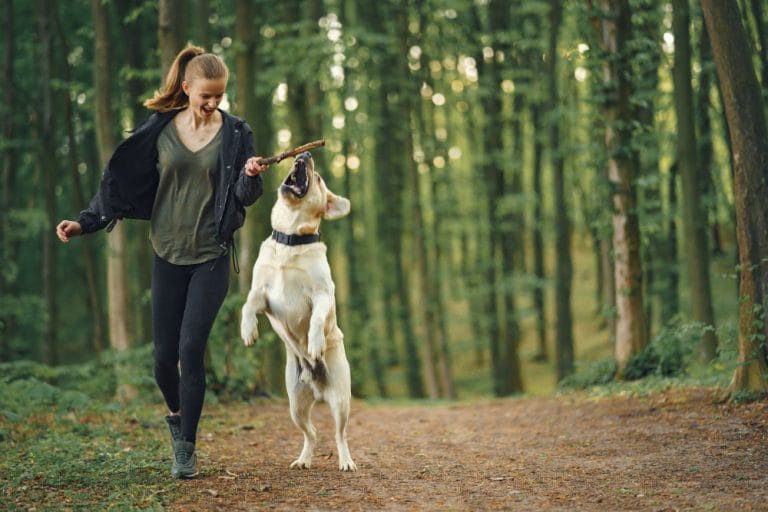
Relocating with pets can be a challenging yet rewarding experience.
As beloved members of the family, pets require special care and attention during a move to ensure their safety, comfort, and well-being.
From preparing for the journey to helping them adjust to their new home, planning is key to a smooth transition.
This guide offers practical tips and advice for moving with pets, enabling a stress-free relocation for you and your furry companions, from an MITR stance:
- Pre-Move Preparations:
1.1 Research Pet Relocation Regulations:
- Domestic Moves: Check local regulations regarding pet ownership, including licensing requirements, leash laws, and vaccination rules.
- International Moves: Understand the destination country’s import requirements, such as quarantine rules, health certificates, and specific vaccinations. Consult with your veterinarian and a pet relocation specialist if needed.
1.2 Schedule a Vet Visit:
- Ensure your pet is healthy and up-to-date on vaccinations and flea or tick treatments.
- Obtain a health certificate if required for travel or housing arrangements.
- Ask your vet about managing travel anxiety or motion sickness, and discuss sedation options if necessary.
1.3 Update Identification and Microchips:
- Ensure your pet’s ID tags are up-to-date with your new address and contact information.
- If your pet is microchipped, update the registration with the new details.
1.4 Familiarize Pets with Travel Crates:
- Purchase a sturdy, appropriately sized travel crate that meets airline or transportation requirements.
- Allow your pet to explore and get accustomed to the crate weeks before the move by placing familiar bedding or toys inside.
- Planning the Journey:
2.1 Choosing the Mode of Transportation:
- By Car: Secure your pet in a carrier or with a pet seatbelt harness. Plan for regular breaks to allow for bathroom needs, water, and a chance to stretch.
- By Air: Book a direct flight, when possible, to minimize stress. Check the airline’s pet travel policy and ensure your pet’s crate complies with their standards.
- By Professional Pet Movers: Consider hiring specialized pet relocation services for complex moves, particularly international relocations.
2.2 Packing Essentials for Pets:
Prepare a pet travel kit that includes:
- Food and water for the journey.
- Collapsible bowls for feeding.
- Medications and first-aid supplies.
- Waste bags, litter, or a travel litter box.
- Favourite toys or a blanket for comfort.
2.3 Timing the Move:
- Relocate your pet last, ensuring their familiar environment remains intact as long as possible during the packing process.
- Minimize disruptions to their routine in the lead-up to moving day.
- Ensuring Comfort During Travel:
3.1 Keeping Pets Calm:
- Use calming sprays, treats, or pheromone diffusers to reduce anxiety.
- Maintain a soothing tone and provide reassurance during the journey.
3.2 Monitoring Temperature and Ventilation:
- Avoid leaving pets in a car or confined space without adequate ventilation or climate control.
- For air travel, choose a flight during cooler parts of the day if transporting pets in the cargo hold.
3.3 Providing Regular Breaks:
- For road trips, schedule stops every 2-3 hours for dogs to stretch and relieve themselves.
- Cats and smaller animals may prefer staying in their carrier during breaks but should have access to water.
- Settling Pets into the New Home:
4.1 Create a Safe Space:
- Set up a quiet, secure area with familiar bedding, toys, and water to help your pet acclimate.
- Gradually introduce them to the rest of the house once they feel comfortable.
4.2 Reestablish Routines:
- Stick to regular feeding, walking, and playtime schedules to provide stability.
- Spend extra time bonding with your pet to reassure them during the transition.
4.3 Monitor Behaviours:
- Watch for signs of stress, such as changes in appetite, excessive hiding, or vocalization.
- Contact your vet if unusual behaviours persist or health issues arise.
- Special Considerations for Different Pets:
Dogs:
- Update your walking route and locate nearby parks for exercise and play.
- Introduce them to new surroundings gradually to prevent overstimulation.
Cats:
- Keep cats indoors initially to prevent disorientation or escape attempts.
- Provide vertical spaces like cat trees or shelves to help them feel secure.
Small Animals and Birds:
- Maintain their enclosure in a consistent location with familiar bedding and accessories.
- Avoid placing them in high-traffic areas that could increase stress.
Conclusion:
Relocating with pets requires careful planning, patience, and an understanding of their unique needs.
By addressing logistics, ensuring comfort during travel, and easing their transition into a new environment, you can make the move as stress-free as possible for your furry, feathered, or scaly friends.
With proper preparation and a focus on their well-being, your pets will soon feel at home in your new surroundings.
A thoughtful approach not only ensures their safety but also strengthens the bond you share, making the journey an enriching experience for all.
Please call us on +91 93812 67113 or write to us at vj@ensoft.com.sg and we will be happy to assist you.
Alternatively, please fill-in the form: https://mitrco.com/get-free-assessment
Related articles

Cultural Integration in Global Mobility: Why It Matters
Global Mobility plays a crucial role in business expansion and employee development. Organizations frequently relocate employees across borders to meet operational needs, foster global collaboration, and tap into international markets. However, relocating employees involves more than just logistical

The Financial Aspects of Relocation: Budgeting for Your Move
Relocating to a new city or country is an exciting opportunity, but it also comes with significant financial considerations. Without careful planning, moving expenses can quickly add up, leading to unexpected financial stress. Whether you’re moving for work, family, or personal reasons, having a cle
The Benefits of Solo Travel: Discovering Yourself on the Road
Traveling alone is more than just an adventure—it’s an opportunity for profound personal growth and self-discovery. While group travel has its advantages, solo travel allows you to step out of your comfort zone, embrace independence, and gain a deeper understanding of yourself and the world around y