
The Evolution of Travel: How Technology Has Transformed Our Journeys
By MITR Global Team
The Evolution of Travel: How Technology Has Transformed Our Journeys
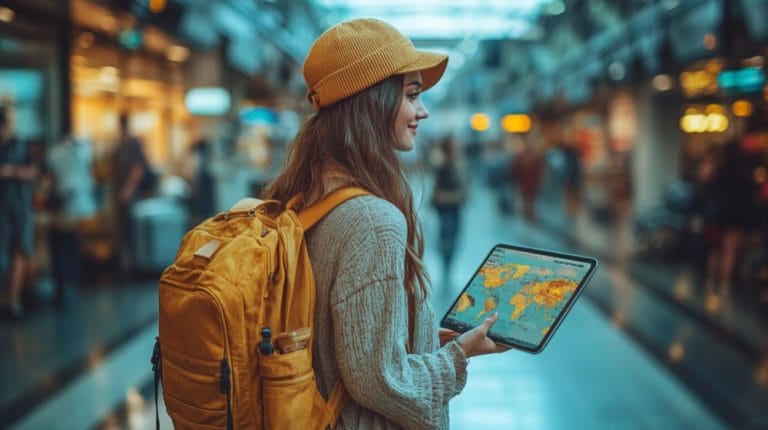
Technology has revolutionized how we travel, making it more accessible, convenient, and enriching. From planning and booking to experiencing and sharing our adventures, technology plays a vital role in shaping modern travel experiences.
How Technology Has Transformed Travel (MITR Perspective):
- Online Travel Planning and Booking: Past: Travel planning involved visiting agents, reading guidebooks, and making phone calls to book flights, hotels, and tours. Present: Online platforms and apps like Expedia, Airbnb, and Google Flights allow travellers to research, compare, and book trips from home. This has made planning more convenient, transparent, and often more affordable.
- Past: Travel planning involved visiting agents, reading guidebooks, and making phone calls to book flights, hotels, and tours.
- Present: Online platforms and apps like Expedia, Airbnb, and Google Flights allow travellers to research, compare, and book trips from home. This has made planning more convenient, transparent, and often more affordable.
- Digital Maps and Navigation: Past: Travelers relied on paper maps and local advice to navigate unfamiliar places. Present: GPS and digital maps like Google Maps provide real-time directions and points of interest, making travel less stressful and more efficient.
- Past: Travelers relied on paper maps and local advice to navigate unfamiliar places.
- Present: GPS and digital maps like Google Maps provide real-time directions and points of interest, making travel less stressful and more efficient.
- Mobile Travel Apps: Past: Travelers carried multiple physical items like maps, guidebooks, tickets, and currency converters. Present: Mobile apps consolidate these into one device. Apps like TripIt organize itineraries, currency converters assist with budgeting, and translation apps break down language barriers.
- Past: Travelers carried multiple physical items like maps, guidebooks, tickets, and currency converters.
- Present: Mobile apps consolidate these into one device. Apps like TripIt organize itineraries, currency converters assist with budgeting, and translation apps break down language barriers.
- Social Media and Travel Inspiration: Past: Travel inspiration came from word of mouth, magazines, or personal recommendations. Present: Social media platforms like Instagram and Pinterest inspire travel, as travelers share experiences in real-time, influencing others’ travel plans.
- Past: Travel inspiration came from word of mouth, magazines, or personal recommendations.
- Present: Social media platforms like Instagram and Pinterest inspire travel, as travelers share experiences in real-time, influencing others’ travel plans.
- Virtual Reality (VR) and Augmented Reality (AR): Past: Travelers could only imagine destinations or rely on photos or videos to get a glimpse. Present: VR and AR allow travellers to explore landmarks and attractions virtually before visiting, enhancing decision-making and excitement.
- Past: Travelers could only imagine destinations or rely on photos or videos to get a glimpse.
- Present: VR and AR allow travellers to explore landmarks and attractions virtually before visiting, enhancing decision-making and excitement.
- Smart Travel Tools and Gadgets: Past: Travel accessories were basic, like analog cameras and simple luggage. Present: Smart tools like RFID-blocking wallets, GPS-enabled luggage, and noise-cancelling headphones have enhanced travel comfort and security.
- Past: Travel accessories were basic, like analog cameras and simple luggage.
- Present: Smart tools like RFID-blocking wallets, GPS-enabled luggage, and noise-cancelling headphones have enhanced travel comfort and security.
- Digital Payments and Currency Exchange: Past: Travelers had to carry cash or traveller’s checks and deal with currency exchanges. Present: Digital payment systems and mobile wallets like Apple Pay have simplified transactions, while exchange rate apps help travellers get the best deals.
- Past: Travelers had to carry cash or traveller’s checks and deal with currency exchanges.
- Present: Digital payment systems and mobile wallets like Apple Pay have simplified transactions, while exchange rate apps help travellers get the best deals.
- Personalized Travel Experiences: Past: Travel itineraries were often standardized, offering limited customization. Present: Data-driven technology allows for personalized travel experiences, recommending activities and accommodations based on user preferences.
- Past: Travel itineraries were often standardized, offering limited customization.
- Present: Data-driven technology allows for personalized travel experiences, recommending activities and accommodations based on user preferences.
- Eco-Friendly Travel Innovations: Past: Sustainability was not a major focus in travel, with few eco-friendly options available. Present: Technology enables sustainable travel choices, such as booking eco-friendly accommodations or using apps to calculate carbon footprints.
- Past: Sustainability was not a major focus in travel, with few eco-friendly options available.
- Present: Technology enables sustainable travel choices, such as booking eco-friendly accommodations or using apps to calculate carbon footprints.
- Enhanced Safety and Communication: Past: Travelers had limited means of staying in touch or accessing help in emergencies. Present: Technology has improved safety with emergency alerts, flight tracking, and location sharing. Communication apps like WhatsApp and Skype keep travellers connected with family and friends.
- Past: Travelers had limited means of staying in touch or accessing help in emergencies.
- Present: Technology has improved safety with emergency alerts, flight tracking, and location sharing. Communication apps like WhatsApp and Skype keep travellers connected with family and friends.
Conclusion:
Technology has transformed travel, making it more convenient, personalized, and accessible. From planning to experiencing and sharing, advancements in technology have enriched travel experiences, helping us connect with the world in new ways. As innovations continue to emerge, the future of travel promises even more exciting opportunities for adventure and exploration.
Please call us on +91 93812 67113 or write to us at vj@ensoft.com.sg and we will be happy to assist you.
Alternatively, please fill-in the form: https://mitrco.com/get-free-assessment
Please visit our website: https://mitrco.com/ to check through the range of services we offer to suit your travel needs.
Related articles
Cultural Integration in Global Mobility: Why It Matters
Global Mobility plays a crucial role in business expansion and employee development. Organizations frequently relocate employees across borders to meet operational needs, foster global collaboration, and tap into international markets. However, relocating employees involves more than just logistical

The Benefits of Solo Travel: Discovering Yourself on the Road
Traveling alone is more than just an adventure—it’s an opportunity for profound personal growth and self-discovery. While group travel has its advantages, solo travel allows you to step out of your comfort zone, embrace independence, and gain a deeper understanding of yourself and the world around y

Legal Considerations for Global Employee Relocation from a Mobility Perspective
In a globalized world today, companies frequently relocate employees across borders to expand operations, fill skill gaps, and enhance international business strategies. However, international relocation is not just about moving an employee from one country to another—it involves navigating a comple